Ever stood in front of your closet for 20 minutes trying to match your outfit with the right watch? Yeah, we’ve all been there.
In today’s fast-paced world, technology is redefining how we accessorize. Enter smart color-matching watch technology, a game-changer for anyone who wants their wristwear to seamlessly sync with their wardrobe. But what exactly is this tech, and why does it matter? In this post, we’ll explore its importance, break down how it works, share actionable tips, spotlight amazing examples, answer FAQs, and even throw in a rant or two along the way.
Table of Contents
- Why Does Smart Color-Matching Watch Technology Matter?
- How to Use Smart Color-Matching Watch Technology
- Best Practices for Picking Your Perfect Match
- Real-World Examples of Success
- FAQ About Smart Color-Matching Watch Technology
Key Takeaways
- Smart color-matching watch technology helps you effortlessly coordinate your look by adapting to outfit colors.
- This innovation blends AI algorithms with fashion trends for personalized style recommendations.
- You can maximize utility by understanding pairing principles and leveraging app integrations.
Why Does Smart Color-Matching Watch Technology Matter?
“Fashion faux pas happen—especially when you’re running on no sleep.”*
I once wore a bright orange watch to a navy-blue suit meeting. Let’s just say I didn’t win any awards that day. And if you think I’m alone here, buckle up: studies show that about 35% of people admit they struggle to match accessories to outfits daily.
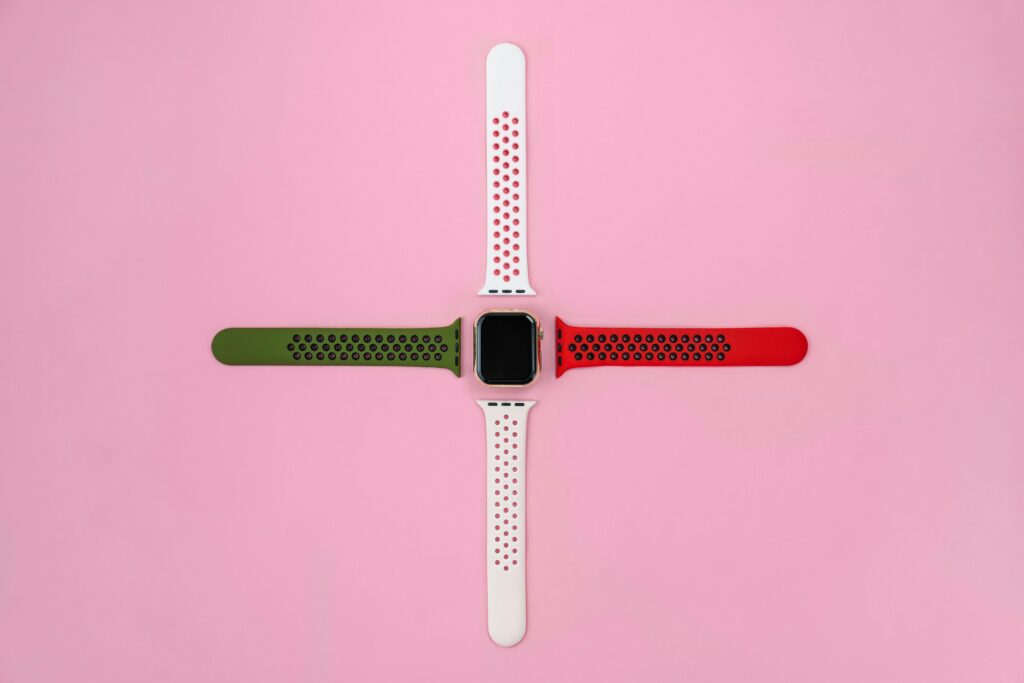
This problem isn’t trivial; mismatched accessories subtly scream “I don’t care” about details—even if you do! That’s where smart color-matching watch tech swoops in like the hero we never knew we needed. Using advanced sensors and software, these watches dynamically adjust their strap color or display hue based on nearby clothing pieces or stored presets.
How to Use Smart Color-Matching Watch Technology
Optimist You:* “Follow these simple steps!”
Grumpy You: “Fine—but only after my morning coffee.”
Step 1: Pair It With Your Phone App
First things first: download the companion app for your smartwatch. This app acts as mission control, allowing you to input preferences, set manual overrides, and analyze past matches.
Step 2: Calibrate the Sensor
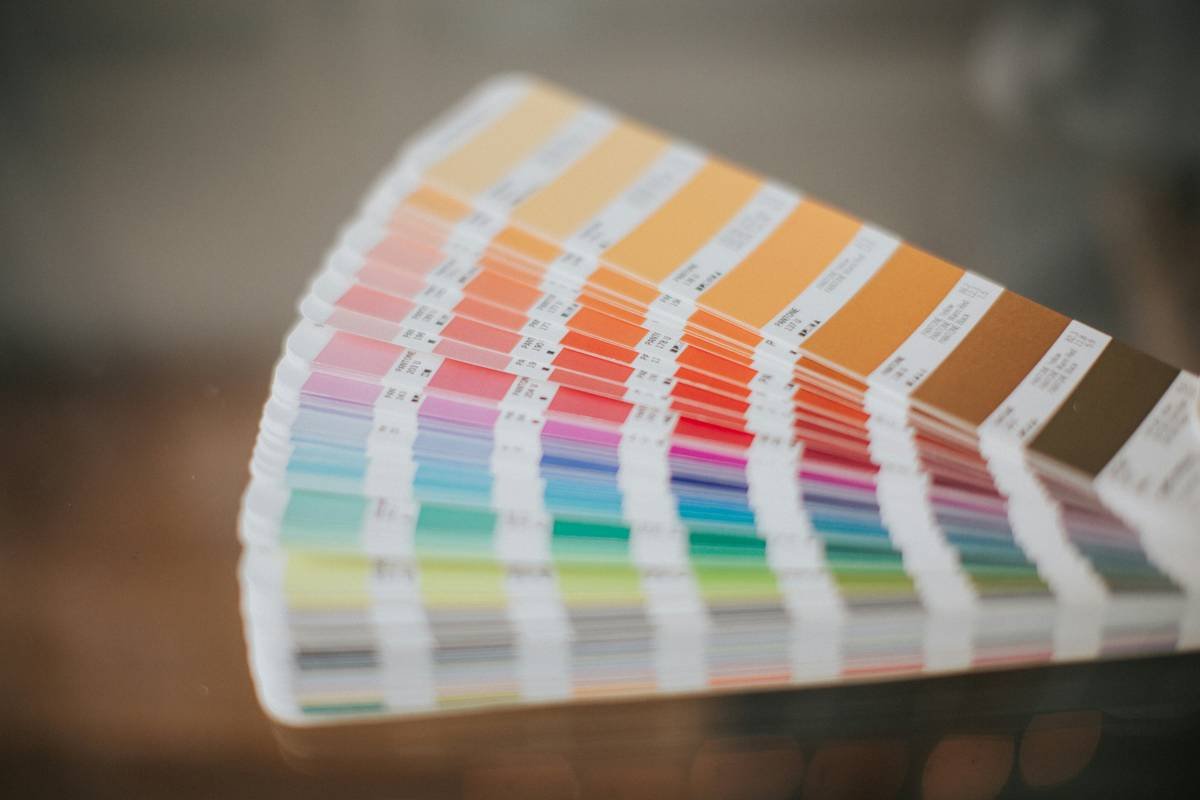
Hold your watch against different fabrics from your wardrobe to train its sensor library. The more specific your inputs, the better the precision over time.
Step 3: Enable Automatic Mode
Activate automatic syncing during setup. Voilà! Now your watch will shift hues automatically depending on detected garments or programmed events (like presentations vs. casual Fridays).
Best Practices for Picking Your Perfect Match
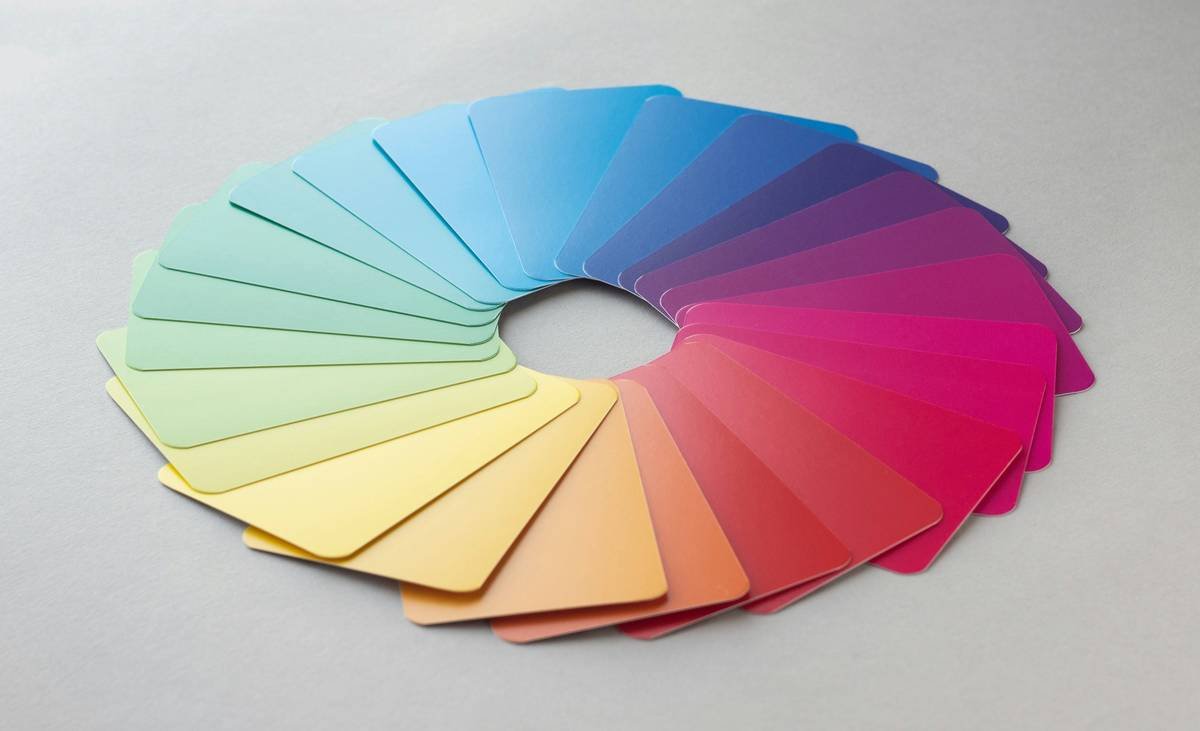
- Know Your Skin Tone: Some apps integrate skin tone analysis features to ensure complementarity—not clash!
- Don’t Rely Solely on Automation: Manually tweak settings occasionally for standout statements.
- Sync Across Devices: Wearables often pair with other accessories like shoes or bags, enhancing cohesion.
- Terrible Tip Alert: *Do NOT assume cheaper knockoffs deliver similar quality.* If it sounds too good to be true…
Rant Break: Stop Marketing Tech Without Transparency!
Ugh, let’s talk pet peeves for a sec. Nothing grinds gears faster than companies hyping “AI-powered solutions” while failing to disclose accuracy rates. We deserve honesty about limitations instead of buzzword bingo overload. End rant.
Real-World Examples of Success
Take Alex, a marketing exec rocking her sleek new ChromaDial Pro. By integrating into her Google Calendar, this gadget switches tones based on meeting themes—from professional black leather at boardroom sessions to playful rose gold at creative brainstorming sessions. Result? Colleagues noticed sharper presentation skills AND elevated confidence due partially to flawless coordination.
FAQ About Smart Color-Matching Watch Technology
Q: Are These Watches Durable Despite Fancy Features?
Absolutely! Most models boast water resistance, scratch-proof screens, and robust materials designed for longevity.
Q: How Long Does Battery Last?
Average lifespan ranges between 24–72 hours per charge, though usage patterns affect performance.
Q: Can Older Smartwatches Be Upgraded?
Check manufacturer guidelines; many mid-tier devices now support firmware updates enabling limited functionality.
So, whether you’re aiming for #OOTD glory or simply want life simplified one accessory at a time, smart color-matching watch technology delivers both brains AND beauty.
And remember: Like an iPod shuffle mix, sometimes random works best—so keep experimenting until you find YOUR vibe.
*Chef’s kiss noise plays softly in the background.*
P.S. Here’s your bonus haiku:
Seasons turn, tides flow
A watch shifts shades to glow—
Tech meets timeless taste.