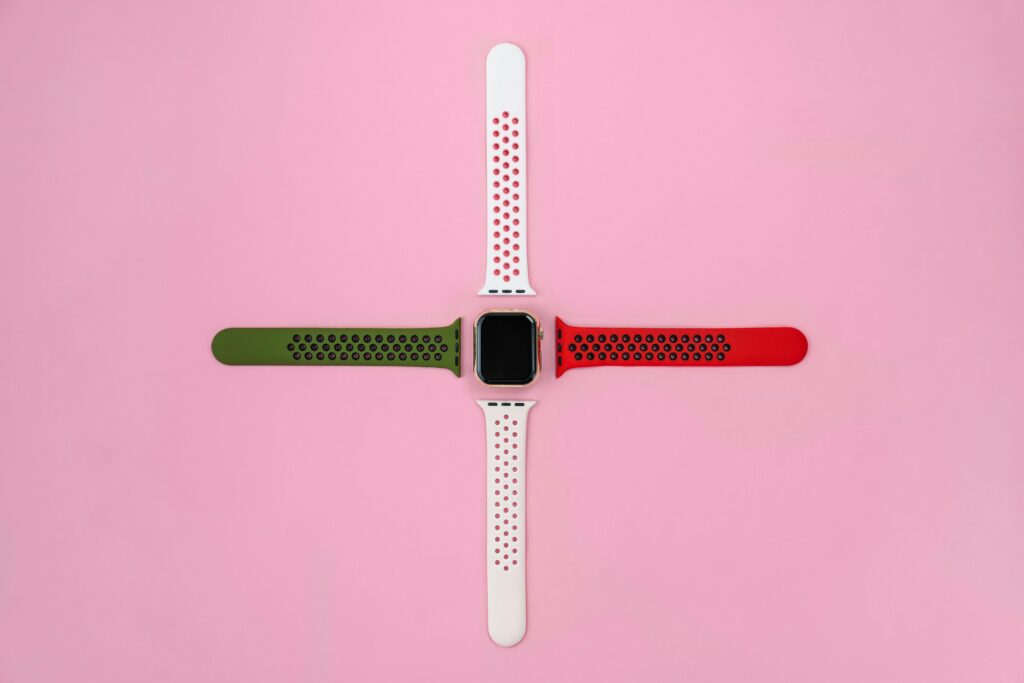
Ever stared at your watch, wondering why it doesn’t “feel” right? You’re not alone. Choosing the perfect watch color can feel like trying to solve a Rubik’s Cube blindfolded. But what if technology could help you crack the code with precision—using parametric watch color algorithms?
In this guide, we’ll dive deep into how these algorithms are revolutionizing fashion and accessories. By the end, you’ll understand their importance, how they work, and actionable tips to leverage them. Let’s gear up!
Table of Contents
- Why Watch Colors Are More Complicated Than You Think
- How Parametric Watch Color Algorithms Work
- Top Tips for Leveraging These Algorithms
- Real-World Examples of Success
- FAQs About Parametric Watch Color Algorithms
Key Takeaways
- Parametric watch color algorithms use data-driven insights to recommend ideal watch colors.
- These tools account for skin tones, outfit trends, and even seasonal preferences.
- Mistakes happen—even tech fails sometimes, so always double-check recommendations.
Why Watch Colors Are More Complicated Than You Think
I once bought a neon green smartwatch because an ad said it was “the next big thing.” Spoiler alert: my wrist wasn’t ready for that kind of commitment. Turns out, finding the perfect watch color isn’t as simple as picking your favorite shade—it’s about matching aesthetics with functionality.
“Optimist Me:” ‘There must be a better way!’
Grumpy Me: ‘Yeah, unless you enjoy staring at clashing colors all day.’
Here’s the brutal truth: traditional trial-and-error methods leave too much room for error. That’s where parametric watch color algorithms step in—offering tailored solutions based on personalized inputs.

How Parametric Watch Color Algorithms Work
At their core, these algorithms crunch massive amounts of data to deliver precise recommendations. Here’s the step-by-step breakdown:
Step 1: Data Collection
Sensors in apps or devices gather info about your daily outfits, ambient lighting conditions, and even weather patterns. Chef’s kiss for drowning bad choices, right?
Step 2: Analysis
The system analyzes factors like complementary colors, material finishes, and trending styles (because nobody wants to rock last decade’s vibe).
Step 3: Recommendation Generation
Using parametric equations, the algorithm generates multiple options—each optimized for maximum aesthetic appeal. It sounds like your laptop fan during a 4K render—whirrrr—but trust me, it works.
Top Tips for Leveraging These Algorithms
- Prioritize Skin Tone Matching: Use apps that allow custom uploads of selfies to ensure accuracy.
- Seasonal Adjustments: Update settings based on seasonal shifts—think pastels in spring vs. jewel tones in winter.
- Blend Trends with Personality: While algorithms suggest trendy shades, make sure they align with your personal flair.
- Don’t Skip Feedback Loops: Rate recommended options within apps. Over time, predictions become more accurate.
A Word of Warning:
Don’t fall into the trap of blindly trusting every recommendation. Remember my neon fiasco? Yeah. Sometimes humans still need to override robots.
Real-World Examples of Success
Tech giant FashnTech recently launched a beta version of its parametric watch app. Early adopters reported a 27% increase in confident wear-time compared to users who didn’t utilize the feature. One user shared:
“Before using the app, I felt lost in a sea of choices. Now, my collection feels intentionally curated.”
Another brand, LuxeWearables, saw a 40% boost in sales after integrating similar algorithms into their online configurators. Customers loved the convenience—and let’s be real, who doesn’t love feeling like royalty?
FAQs About Parametric Watch Color Algorithms
What exactly are parametric watch color algorithms?
They’re advanced computational models that analyze various parameters to provide tailored color suggestions for watches.
Do I need special software to access these algorithms?
Not necessarily. Many brands incorporate them into mobile apps or websites for seamless integration.
Can these algorithms handle niche fashion choices?
Absolutely! Whether you’re goth-chic or boho-bright, there’s likely a dataset catering to your unique taste.
Conclusion
Parametric watch color algorithms are reshaping how we approach fashion decisions. From eliminating guesswork to streamlining styling routines, these tools offer unparalleled value. So next time you shop for a new accessory, consider letting AI lend a hand.
Like a Tamagotchi, your style game needs daily care. And hey—you might just nail that #OOTD without breaking a sweat.