Ever stared at a watch and thought, “This piece of art belongs in a museum”? Yeah, us too. And guess what? Some watches literally do. But before you go thinking this is another run-of-the-mill fashion blog post, let’s talk about museum-grade limited watches. These aren’t just timepieces; they’re wearable masterpieces that blend technology, design, and exclusivity like nothing else in your accessory collection. In this guide, we’ll explore what makes these watches so special, why their colors matter, and how to snag one without going broke—or worse, falling into the trap of knockoffs. Ready?
Table of Contents
- Key Takeaways
- Why Museum-Grade Limited Watches Matter
- Choosing the Right Watch Color
- Top Tips for Buying Limited-Edition Watches
- Real-Life Examples of Luxury Wristwear
- FAQs About Museum-Grade Limited Watches
Key Takeaways
- Museum-grade limited watches combine craftsmanship with cutting-edge tech, making them highly coveted.
- The color of your watch can drastically alter its perceived value and compatibility with various outfits.
- Buying from authorized dealers ensures authenticity but comes at a premium price.
- limited-edition releases often sell out quickly, so timing is critical when trying to purchase one.
- Counterfeiters are everywhere—learn how to spot fakes before spending thousands on a dud.
Why Do Museum-Grade Limited Watches Even Exist?
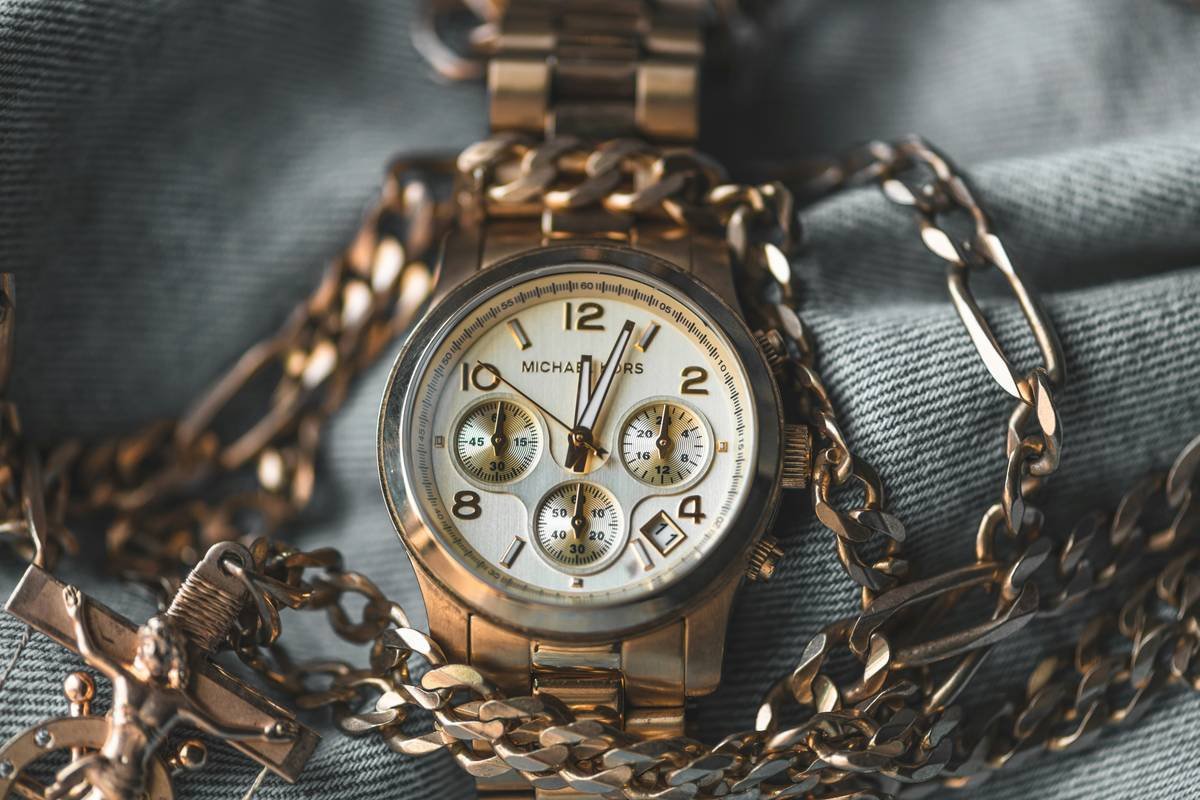
Let’s get real: some things exist purely because humanity decided luxury needed an upgrade. Enter museum-grade limited watches—the holy grail of fine jewelry meets futuristic engineering. Ever heard someone say, “Oh, I bought it because I wanted something different”? Yeah, no. These watches make those other pieces look like discount store junk by comparison.
Confession time: I once wore a neon green watch to a black-tie event. Epic fail. Lesson learned? The wrong color choice can ruin even the most expensive ensemble. That’s why understanding watch colors is crucial if you want to own a museum-worthy piece.
Optimist You: “Just pick something shiny!”
Grumpy You: “Ugh, fine—but only if it matches my personality and wardrobe.”
What Sets Them Apart?
- Exclusivity: Produced in extremely small batches, sometimes fewer than 50 units worldwide.
- Craftsmanship: Often handmade by artisans with decades of experience.
- Innovation: Incorporates advanced materials like sapphire crystal glass or carbon fiber cases.
- Historical Value: Many honor significant milestones in horology (fancy word for watchmaking).
How Do You Choose the Perfect Watch Color Without Looking Like a Walking Disco Ball?
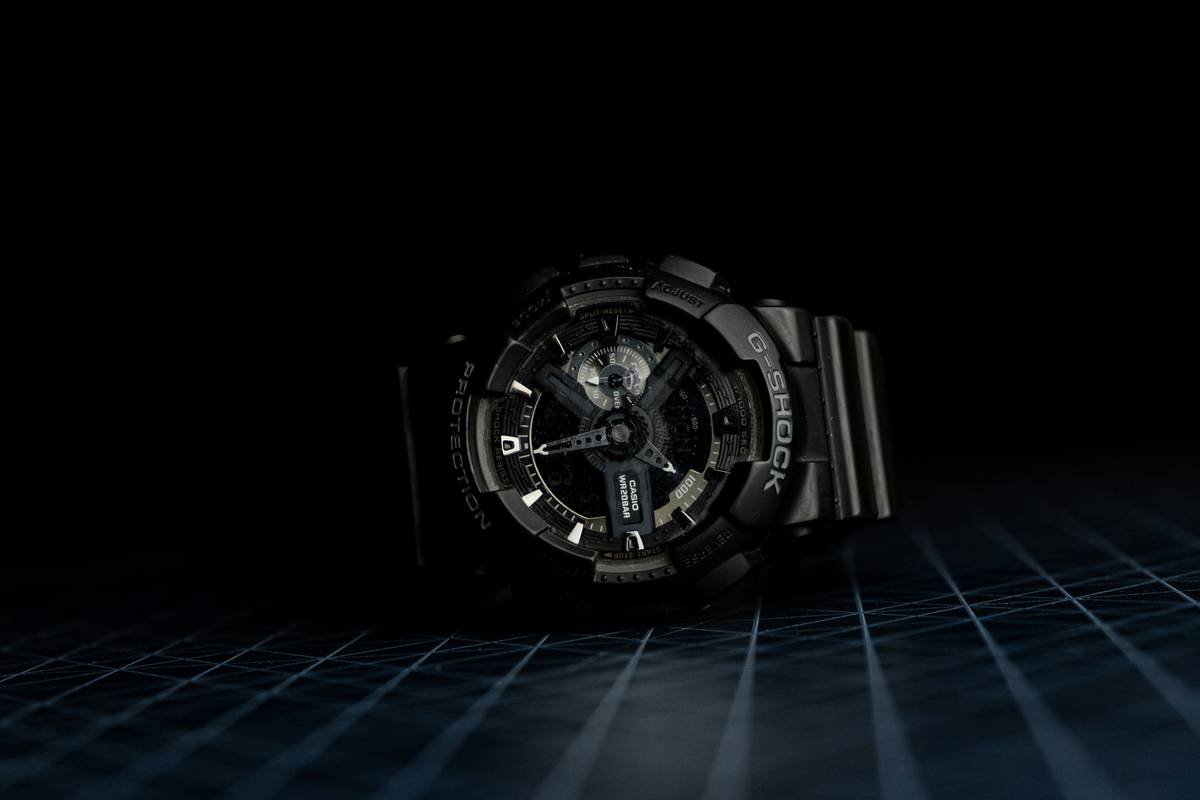
Colors speak louder than words—and louder than bling, apparently. Here’s where sensory oversharing comes in handy: Imagine the sound of sunlight hitting polished steel… Okay, maybe not *that* poetic, but choosing the right hue isn’t just aesthetic; it’s practically scientific. Why? Because…
Terrible Tip Disclaimer
One terrible tip floating around online suggests wearing multiple watches simultaneously to achieve “maximum flex.” Don’t. Just… don’t. Trust me.
Best Practices for Picking Colors
- Match Your Skin Tone: Warm tones suit gold or bronze finishes, while cool tones pop with silver or platinum.
- Go Neutral for Versatility: Black leather straps and stainless steel bracelets pair well with anything.
- Make Bold Statements Sparingly: Save vibrant hues (like deep blue or emerald green) for standout moments.
Top Tips for Snagging That Coveted Timepiece
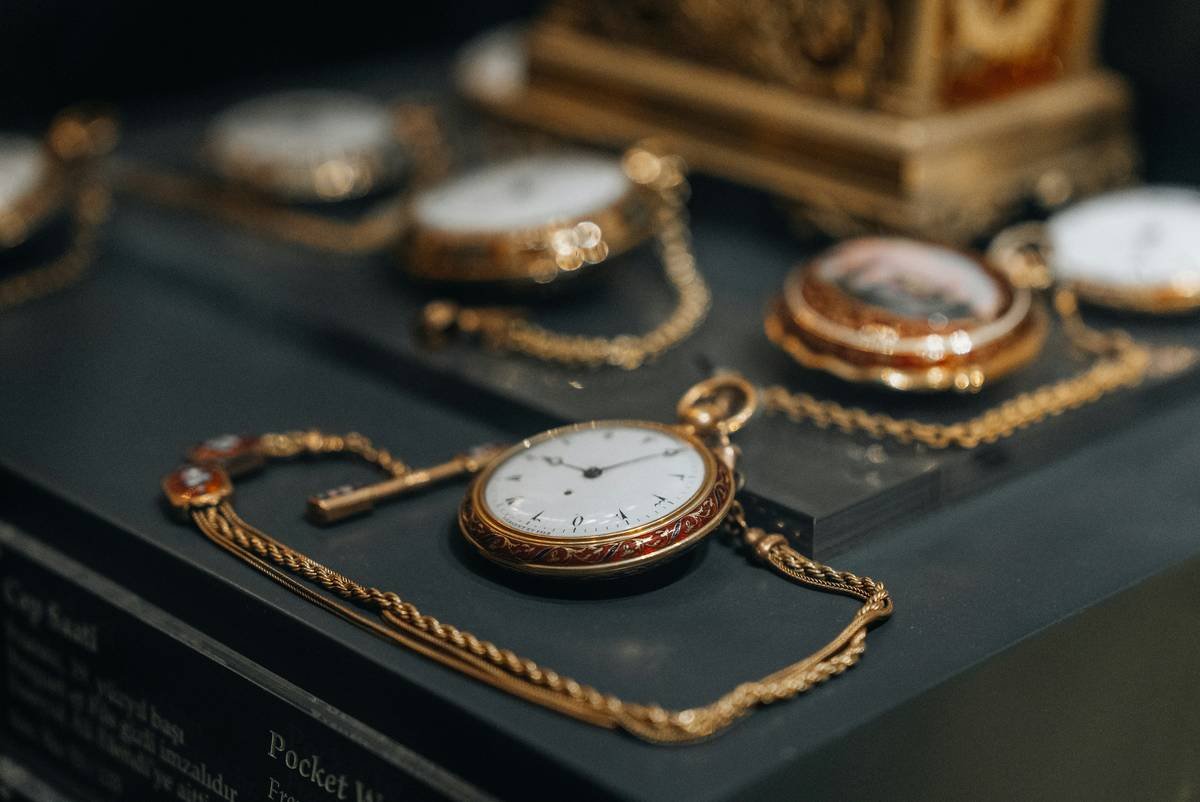
If buying a museum-grade limited watch were easy, everyone would have one. Spoiler alert: It’s not. So here’s how to play the game smartly:
- Set Alerts: Follow brands’ social media channels and subscribe to newsletters for pre-sale announcements.
- Build Relationships: Visit boutiques regularly and chat up staff—you might score insider info.
- Budget Wisely: Be prepared to drop anywhere from $10K to six figures. Yeah, that much.
- Avoid Fakes: Check serial numbers, warranty cards, and service records religiously.
Success Stories: When Ordinary People Hit the Jackpot
Meet Sarah, who stumbled upon a limited-edition Patek Philippe Nautilus during her lunch break. She didn’t know much about watches back then, but recognizing its rarity saved her investment portfolio years later. Moral of the story? Timing + research = jackpot.
Frequently Asked Questions About Museum-Grade Limited Watches
Are They Worth the Hype?
Yes—if you understand their investment potential and cultural significance. No—if you’re looking for practicality.
Can I Resell Them Later?
Depends on demand and condition. Rare models tend to appreciate over time.
Will They Work With My Smart Devices?
Most modern versions integrate Bluetooth connectivity, syncing seamlessly with smartphones.
Conclusion
To sum it up, museum-grade limited watches aren’t merely accessories—they’re statements. Whether you prioritize aesthetics, functionality, or bragging rights, knowing your options will elevate both your style and status.
And now, for the promised haiku:
Steel hands tick softly,
Time whispers through colors—
A legacy waits.